10 Fairy Crafts for Boys Ideas

Fairy-themed crafts can encourage creativity, imaginative storytelling, and hands-on learning for children of all interests. Fairy crafts are not limited to one style or audience. By focusing on adventure, nature, magical forests, tiny houses, woodland creatures, and imaginative exploration, these projects become engaging for boys who enjoy building, painting, designing, and creating. Pinterest ideas for fairy crafts continue to grow because they combine simple DIY activities with opportunities to develop fine motor skills, creativity, and problem-solving. Many projects use inexpensive materials that are already available at home or in the classroom, making them practical for families, teachers, and caregivers. This guide shares ten beginner friendly fairy craft ideas that emphasize creativity, exploration, and imaginative play while remaining easy to complete with simple materials and clear step-by-step methods.
Why Fairy Crafts Are Trending
Fairy crafts remain popular on Pinterest because they encourage children to create magical miniature worlds using everyday materials. Rather than focusing only on decorative fairy themes, many modern fairy craft ideas include woodland adventures, enchanted forests, hidden fairy villages, magical creatures, and outdoor exploration. These projects allow children to combine storytelling with building, painting, and decorating while strengthening creativity and confidence. Most activities require only affordable craft supplies, making them accessible for homes, classrooms, homeschool lessons, and daycare programs. Fairy-inspired DIY projects also encourage outdoor exploration by incorporating natural materials such as leaves, stones, twigs, pinecones, and moss. Their flexibility allows every child to personalize each project according to individual interests while developing valuable artistic and organizational skills.
Materials and Preparation
Preparing materials before starting helps children stay focused throughout each activity. Gather construction paper, cardstock, craft sticks, recycled cardboard, paper rolls, non-toxic glue, washable paint, markers, crayons, felt, pom-poms, pipe cleaners, yarn, wooden beads, small stones, pinecones, twigs, moss, leaves, and child-safe scissors. Protect the workspace with newspaper or reusable craft mats and organize supplies into small containers that are easy to reach. Read a short fairy-themed story or discuss magical forests before beginning the project to inspire creativity and encourage imaginative thinking. Preparing templates or pre-cut pieces for younger children simplifies construction while allowing them to concentrate on decorating, assembling, and personalizing each creative project with confidence.
Idea 1: Woodland Fairy Tree House
How to Create
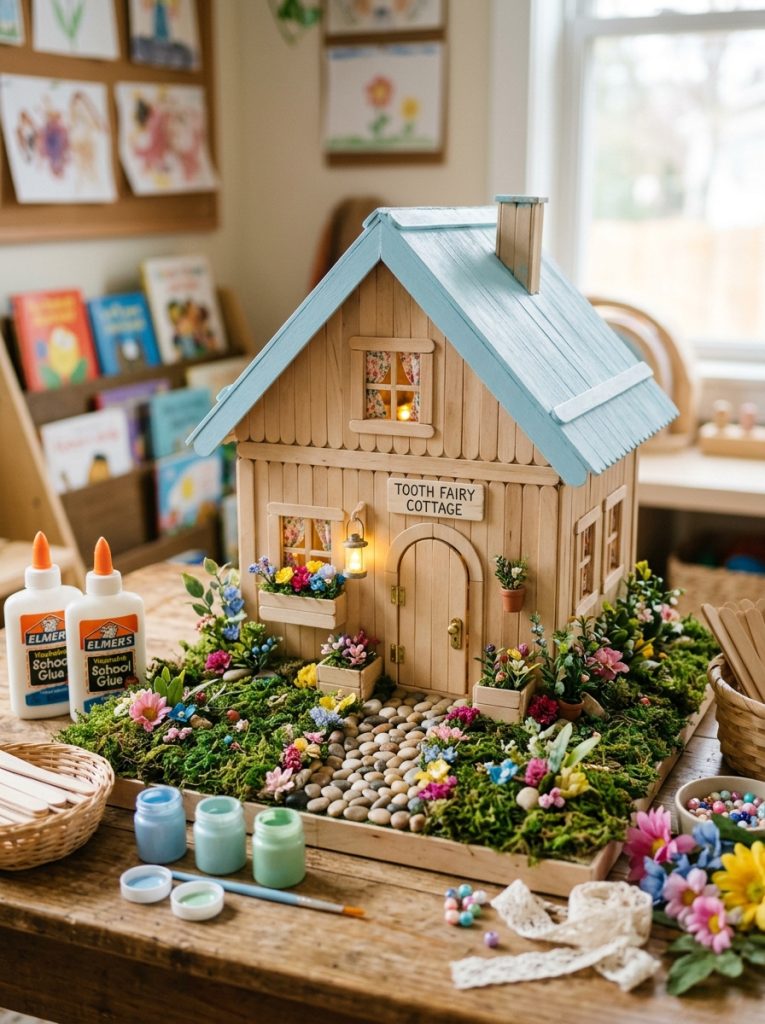
Build a miniature fairy tree house using recycled cardboard tubes, craft sticks, and natural materials collected outdoors. Wrap the cardboard tube with brown paper or paint it to resemble tree bark before attaching a small roof made from overlapping craft sticks or bark-shaped paper pieces. Add miniature ladders, windows, tiny doors, and balconies using popsicle sticks and cardstock. Decorate the surrounding base with moss, pebbles, twigs, and leaves to create an enchanted woodland setting. Encourage children to invent stories about magical forest explorers and tiny woodland fairies living inside the tree house. This beginner friendly DIY project develops creativity, problem-solving, and fine motor coordination while introducing imaginative world-building through simple handmade construction.
Idea 2: Fairy Adventure Map
How to Make
Design a magical treasure map leading to hidden fairy villages and enchanted forests. Begin with large sheets of brown craft paper or lightly painted paper that resembles an old adventure map. Draw winding rivers, bridges, caves, giant trees, waterfalls, mountains, and fairy homes using markers and colored pencils. Add handmade symbols, tiny flags, compass roses, and secret paths that encourage imaginative storytelling. Children can decorate the borders using leaves, stars, or woodland animal drawings while inventing adventures that follow the map. Rolling the completed map and tying it with twine creates an authentic explorer’s scroll. This creative project strengthens drawing skills while encouraging planning, storytelling, and imaginative exploration.
Idea 3: Pinecone Fairy Creatures
Step-by-Step Guide
Turn ordinary pinecones into magical woodland creatures using simple craft supplies. Paint the pinecones in natural or colorful shades before attaching felt wings, wooden bead heads, pipe cleaner arms, googly eyes, and tiny leaf hats. Add miniature scarves, capes, or backpacks using fabric scraps to personalize each character. Arrange the completed fairy creatures on a cardboard forest base decorated with moss, stones, and paper mushrooms. Encourage children to invent names and adventures for every woodland character they create. This easy project combines outdoor exploration with creative crafting while helping children practice assembling different materials into imaginative handmade figures.
Idea 4: Fairy Forest Lantern
Setup Method
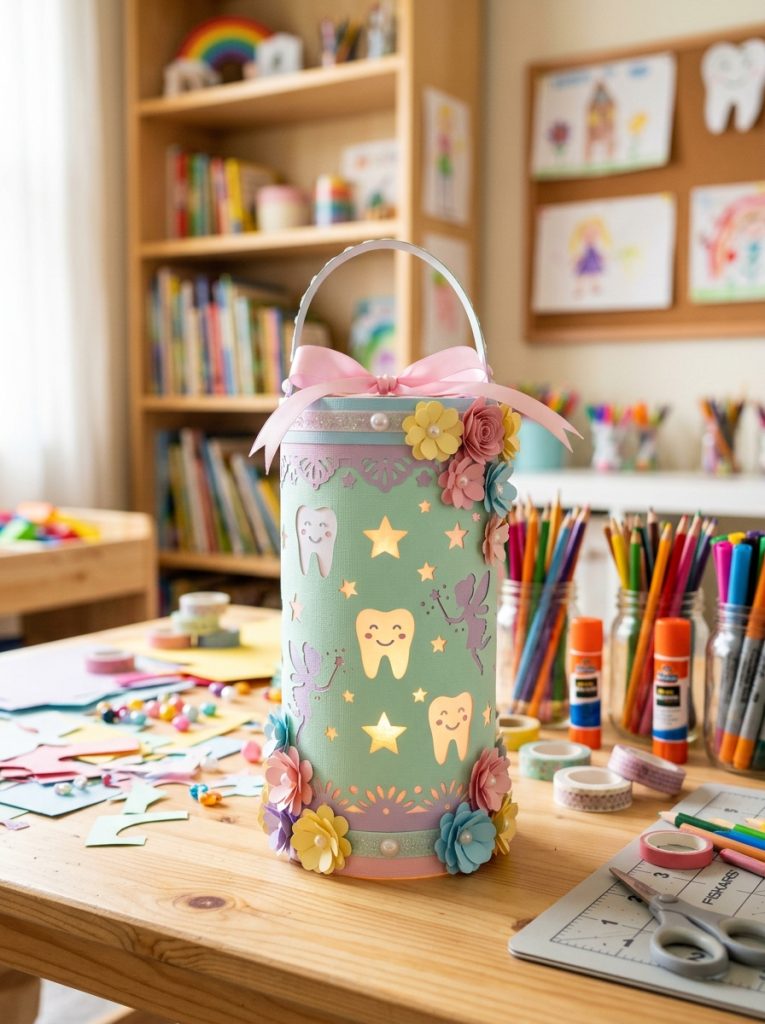
Create a magical lantern inspired by enchanted forests using recycled glass jars or paper lantern templates. Decorate the outside with painted trees, stars, moons, leaves, and fairy silhouettes cut from black cardstock. Wrap twine around the rim before attaching paper leaves or miniature wooden charms for extra texture. Place a battery-operated LED light inside to create a soft glowing effect suitable for evening decoration. Arrange several lanterns together to create the appearance of a magical woodland pathway. This beginner friendly project teaches simple decorating techniques while introducing safe lighting ideas and imaginative storytelling.
Idea 5: Fairy Shield Craft
Execution Process
Combine fantasy adventure with creative design by making a decorative fairy shield from cardboard. Cut a shield shape from sturdy cardboard before painting it in earthy colors such as green, brown, silver, and gold. Decorate the surface with woodland symbols including leaves, trees, feathers, stars, and animal tracks instead of traditional emblems. Add a cardboard handle to the back so children can comfortably hold the finished shield during imaginative play. Encourage storytelling where magical forest guardians protect enchanted villages and woodland creatures. This creative project supports painting skills, creative thinking, and role-playing through simple DIY construction.
Idea 6: Fairy Explorer Backpack
How to Create
Design a pretend fairy explorer backpack using paper bags or recycled cardboard. Decorate the outside with maps, woodland badges, tiny compass drawings, stars, leaves, and magical creature symbols. Add paper pockets, rolled maps, and miniature notebooks that encourage children to record imaginary discoveries made while exploring enchanted forests. Small paper binoculars or cardboard magnifying glasses can be attached for additional detail. This beginner friendly activity encourages imaginative exploration while supporting creativity, organization, and storytelling through hands-on construction and decorating.
Idea 7: Fairy Village Bridge
How to Make
Build a miniature bridge connecting different parts of a fairy village using craft sticks, twine, and cardboard. Glue craft sticks side by side before reinforcing them underneath with additional supports. Add simple railings using twine or thin wooden skewers trimmed for safety. Paint the bridge with weathered wood colors before placing it over a pretend river created from blue paper or painted cardboard. Surround the bridge with moss, pebbles, flowers, and tiny fairy houses that complete the magical landscape. This DIY project strengthens construction skills while encouraging planning and imaginative play through detailed miniature design.
Idea 8: Woodland Fairy Mask
Step-by-Step Guide
Create a woodland-inspired fairy mask using sturdy cardstock, leaves, feathers, and natural colors. Cut the basic mask shape before decorating it with painted branches, leaves, stars, vines, and forest-inspired patterns. Add soft felt pieces or paper textures that resemble bark and moss while keeping the design lightweight and comfortable to wear. Attach elastic or ribbon so the mask fits securely during pretend play. Encourage children to imagine themselves as magical forest guardians protecting enchanted creatures and hidden fairy villages. This activity develops artistic confidence while supporting creative role-play and imaginative storytelling.
Idea 9: Magical Fairy Campfire
Setup Method
Construct a pretend woodland campfire using cardboard logs, tissue paper flames, and painted stones arranged on a sturdy base. Surround the campfire with miniature fairy stools made from wooden slices or cardboard cylinders. Add paper lanterns, tiny backpacks, rolled sleeping bags, and woodland decorations to create an enchanted camping scene. Encourage children to invent stories about magical travelers gathering around the fire to share adventures. This creative project combines imaginative storytelling with simple construction techniques while encouraging thoughtful arrangement and organization of miniature scenes.
Idea 10: Enchanted Forest Diorama
Execution Process
Build a complete enchanted forest diorama using a shoebox, cardboard, paint, moss, leaves, and handmade fairy accessories. Paint the background with towering trees, distant mountains, waterfalls, and glowing stars before arranging miniature fairy houses, bridges, woodland creatures, mushrooms, and winding paths across the landscape. Layer different heights using cardboard platforms to create visual depth throughout the scene. Soft battery-powered LED lights hidden behind trees enhance the magical atmosphere without overwhelming the display. Children can continually expand the diorama by adding new characters and decorations over time. This project combines creativity, organization, storytelling, and design into one impressive handmade display.
Common Beginner Mistakes and How to Avoid Them
Many beginners attempt projects with too many complicated details, making the activity frustrating for younger children. Choose simple designs that match the child’s skill level and gradually introduce additional decorative elements as confidence grows. Preparing difficult cutting tasks in advance allows children to focus on assembling and decorating the project independently. Another common mistake is overcrowding miniature scenes with excessive decorations that hide important features. Encourage balanced layouts with open spaces that make every element visible. Adult supervision during cutting and gluing improves safety while allowing children to develop independence and creativity through guided participation.
Practical Tips for Better Results
Collect natural materials such as pinecones, twigs, leaves, and stones before beginning the activity to inspire creative woodland designs. Organize supplies into separate containers so children can easily locate each material during construction. Encourage experimentation with colors, textures, and decorative details rather than following identical designs. Display completed crafts in bedrooms, classrooms, or reading corners to celebrate each child’s creativity. Keeping sessions relaxed, organized, and focused on imaginative exploration encourages positive experiences while helping children develop confidence through hands-on creative projects.
Styling, Presentation, and Organization Ideas
Arrange completed fairy crafts together on a dedicated display shelf featuring moss, small plants, fairy lights, and nature-inspired decorations that create the appearance of an enchanted woodland. Store extra materials in labeled baskets for future DIY projects while keeping finished creations organized and protected. Group projects by theme, such as fairy villages, magical forests, or woodland adventures, to encourage storytelling during playtime. Displaying crafts alongside fairy-themed books and natural decorations creates an inviting creative corner that inspires additional Pinterest ideas and imaginative exploration.
Budget and Time Planning
Most fairy crafts can be completed using inexpensive household materials together with natural items collected during outdoor walks. Recycled cardboard, paper rolls, craft sticks, construction paper, and leftover fabric scraps provide affordable foundations for a wide variety of projects. Planning one craft each week allows children to gradually build an entire enchanted fairy world without requiring expensive supplies. Preparing materials before beginning each activity reduces crafting time while helping children remain engaged from start to finish. Budget-friendly projects often encourage greater creativity because children learn to transform simple materials into imaginative handmade creations.
Creative Expansion and Advanced Inspiration
As children become more confident, expand these fairy-themed projects into larger imaginative worlds by connecting villages, forests, bridges, campsites, and magical pathways into one continuous display. Add seasonal decorations including autumn leaves, spring flowers, winter snow, or summer gardens that change throughout the year. Create fairy storybooks, treasure hunts, miniature furniture, and woodland animal companions that encourage ongoing storytelling and creative play. These advanced ideas inspire children to continue exploring art, design, construction, and imaginative thinking while creating meaningful handmade projects that celebrate creativity, nature, and adventure.