10 Creating Texture Ideas
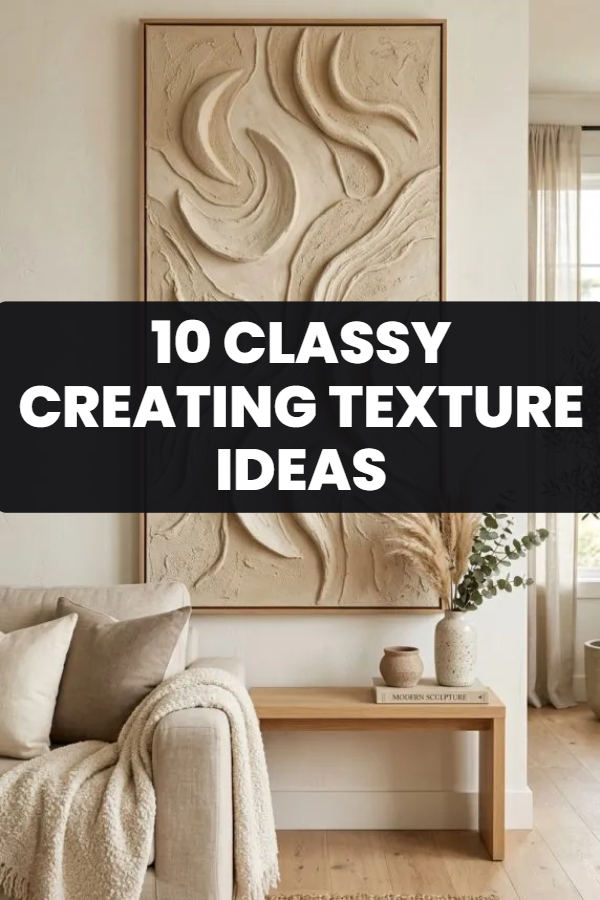
Texture has become one of the most important elements in modern home decor, art, furniture, and interior styling because it adds depth, warmth, movement, and visual interest to a space. Without texture, rooms and creative projects can feel flat, cold, or unfinished. Pinterest users especially love textured designs because they create cozy, layered, and visually rich aesthetics that instantly make interiors feel more luxurious and inviting. Whether used in wall art, furniture, walls, fabrics, or decorative accessories, texture transforms simple designs into creative statement pieces filled with personality.
One of the reasons texture is so popular in Pinterest-inspired spaces is because it creates emotional warmth. Soft woven fabrics, rough stone finishes, layered plaster, natural wood grain, and tactile surfaces help interiors feel more comfortable and balanced. Modern design trends now focus heavily on natural materials and handcrafted details because people want homes that feel calm, cozy, and connected to nature rather than overly polished or artificial.
Texture can be created in many different ways. Some techniques focus on layering materials, while others use carving, painting, weaving, sculpting, or natural finishes to create dimension. Even simple DIY projects can produce beautiful textured results when combined with the right colors, materials, and styling. One of the best aspects of texture is its versatility because it works across many decor styles including boho, modern organic, Scandinavian, Japandi, rustic farmhouse, industrial, and luxury contemporary interiors.
Pinterest-inspired texture projects usually focus on neutral color palettes, matte finishes, organic movement, and layered surfaces. Beige, ivory, taupe, clay, white, olive green, charcoal, and warm wood tones are especially popular because they help textured details stand out naturally without overwhelming the space.
Another reason textured designs remain timeless is because lighting interacts beautifully with textured surfaces. Shadows and highlights create movement throughout the day, making even simple projects appear dynamic and artistic. This creates interiors and decor pieces that feel alive, sophisticated, and visually balanced.
In this article, you will discover 10 creating texture ideas that are stylish, creative, and Pinterest-worthy. Each idea is explained in detail to help you understand how different texture techniques can transform ordinary spaces and projects into visually rich and elegant designs.
Materials Used for Creating Texture Projects
Before starting texture-based projects, gathering the right materials can help achieve better depth, durability, and visual balance. Different textures require different tools and finishes depending on the desired aesthetic.
Common materials include:
- Joint compound
- Modeling paste
- Plaster
- Acrylic paint
- Texture spray paint
- Palette knives
- Paint brushes
- Sea sponges
- Sandpaper
- Fabric scraps
- Cotton rope
- Yarn
- Burlap
- Clay
- Wood panels
- Wood stain
- Dried flowers
- Ceramic paste
- Stone spray paint
- Matte varnish
- Texture rollers
- Foam sponges
- Hot glue gun
- Decorative combs
- Canvas boards
- Reclaimed wood
- Mesh fabric
- Gold leaf
- Chalk paint
Popular Pinterest-inspired colors include warm beige, ivory, cream, terracotta, olive green, charcoal, taupe, clay, soft gray, and matte black.
How to Create Pinterest-Style Texture Designs
Creating Pinterest-style textures begins with choosing a soft cohesive color palette and understanding how different materials interact visually. Texture works best when balanced with simplicity rather than excessive decoration.
Layering is one of the most important texture techniques. Combining rough and smooth surfaces creates contrast and depth that make designs feel more visually dynamic. Matte finishes are especially popular because they enhance shadows and texture naturally.
Organic movement is another key detail. Instead of aiming for perfect symmetry, Pinterest-inspired textures often embrace handmade imperfections and flowing forms. This helps projects feel warm, artistic, and authentic.
Lighting dramatically affects texture appearance. Natural sunlight and warm ambient lighting highlight raised surfaces beautifully while creating depth and dimension throughout the day.
Most importantly, texture should create emotional warmth and softness. Whether designing art, furniture, walls, or decor, the goal is to make spaces feel layered, inviting, and visually balanced.
1. Plaster Texture Wall Art
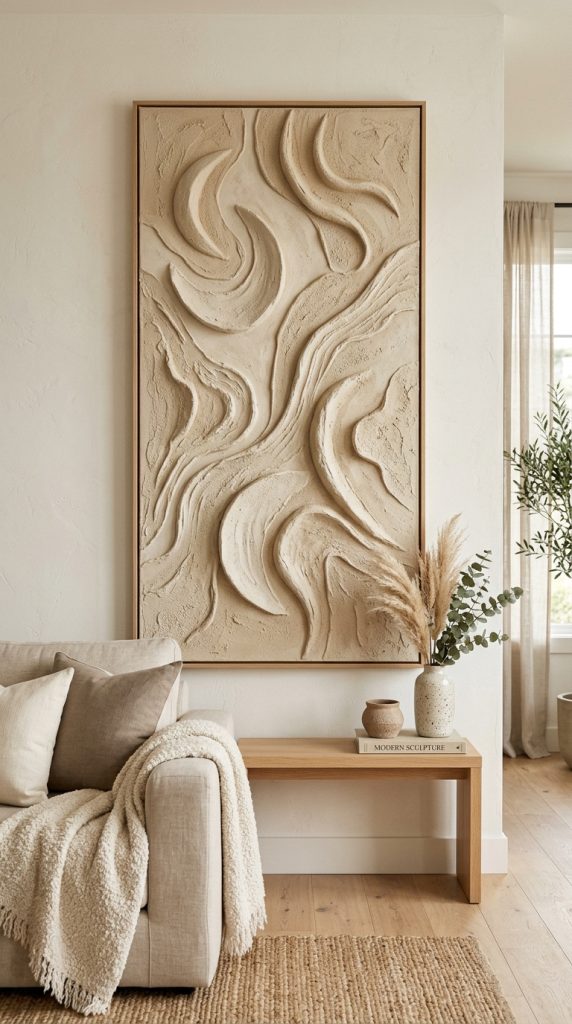
Plaster texture wall art is one of the most popular Pinterest-inspired texture projects because it creates elegant sculptural surfaces filled with depth and movement. Instead of flat paintings, plaster art focuses on raised abstract shapes and layered organic forms that make walls feel sophisticated and modern.
This project is usually created using plaster or joint compound spread across canvas with palette knives. Curved lines, arches, floral shapes, and flowing abstract patterns are commonly used to create movement and dimension. The imperfections in the plaster actually enhance the beauty because they create handmade organic character.
Neutral color palettes such as beige, ivory, clay, and warm white are especially popular because they highlight the shadows and texture naturally. Monochromatic designs allow the dimensional surface itself to become the focal point instead of relying on bright colors.
Pinterest-inspired plaster art works beautifully in living rooms, bedrooms, offices, and minimalist interiors where calmness and elegance are priorities. Large canvases above sofas or beds create dramatic statement pieces while still maintaining soft modern aesthetics.
One reason plaster texture art is so admired is because lighting changes its appearance throughout the day. Sunlight creates shadows across the raised forms, making the artwork feel dynamic and luxurious.
Plaster texture wall art creates timeless Pinterest-worthy interiors filled with sculptural beauty, warmth, and modern organic sophistication.
2. Stone Spray Paint Texture
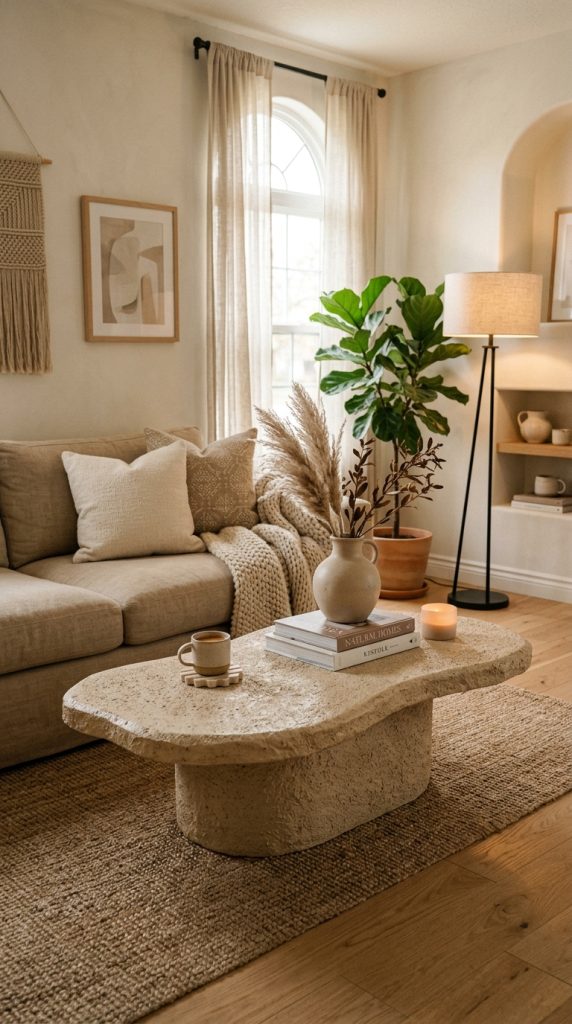
Stone spray paint texture is a creative way to transform ordinary furniture and decor into luxurious stone-inspired pieces filled with earthy elegance. This technique is especially popular on Pinterest because it creates high-end organic aesthetics while remaining affordable and beginner-friendly.
Stone spray paint is often layered over coffee tables, planters, vases, mirrors, or decorative accessories to mimic travertine, limestone, concrete, or marble finishes. Matte textures and uneven layering create realistic natural movement that resembles authentic stone surfaces.
Neutral earthy tones such as cream, beige, taupe, sand, and gray work especially beautifully because they create calm sophisticated interiors. Some creators also add plaster or sponge texture underneath the spray paint for added realism and dimension.
Pinterest-inspired stone texture decor pairs perfectly with linen fabrics, wood furniture, ceramic accessories, candles, and indoor greenery. The soft organic appearance instantly makes interiors feel warmer and more elevated.
One reason stone spray textures remain so loved is because they create luxury visual impact without requiring expensive materials. Even simple thrifted furniture pieces can look custom-designed with realistic stone finishes.
Stone spray paint texture creates modern Pinterest-worthy interiors filled with natural elegance, softness, and architectural depth.
3. Rope and Yarn Texture Design
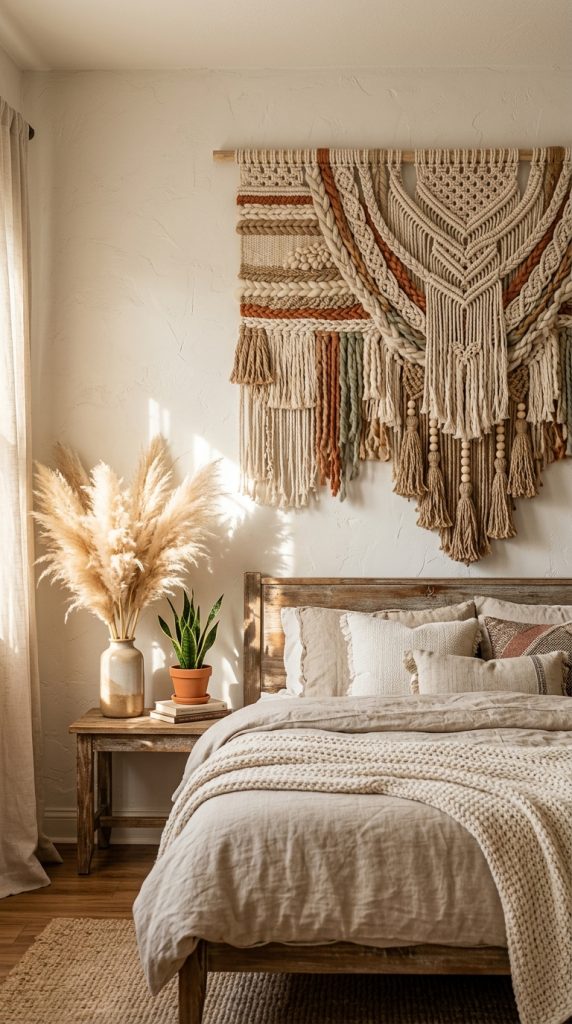
Rope and yarn texture designs combine soft woven materials with artistic layering to create cozy tactile decor filled with warmth and handmade charm. This texture idea is especially popular in boho and rustic Pinterest interiors because it feels relaxed, natural, and creative.
Cotton rope, yarn, macrame cord, and woven fibers are layered onto canvases, wall hangings, mirrors, or furniture to create dimensional patterns and soft texture movement. Neutral shades such as cream, beige, brown, and ivory help maintain calm earthy aesthetics.
Pinterest-inspired rope texture decor pairs beautifully with wood accents, woven baskets, linen fabrics, pampas grass, and candles. The combination of soft fibers and natural materials creates inviting cozy atmospheres.
One reason rope textures are so admired is because they add tactile softness that instantly makes spaces feel more comfortable and layered. The woven details create movement and warmth without needing bold colors or heavy decoration.
This texture style works beautifully in bedrooms, living rooms, nurseries, and reading corners where comfort and creativity are priorities. Oversized woven wall art can also become dramatic Pinterest-inspired focal points.
Rope and yarn textures create artistic interiors filled with softness, texture, and handcrafted bohemian beauty.
4. Sponge Paint Texture Technique
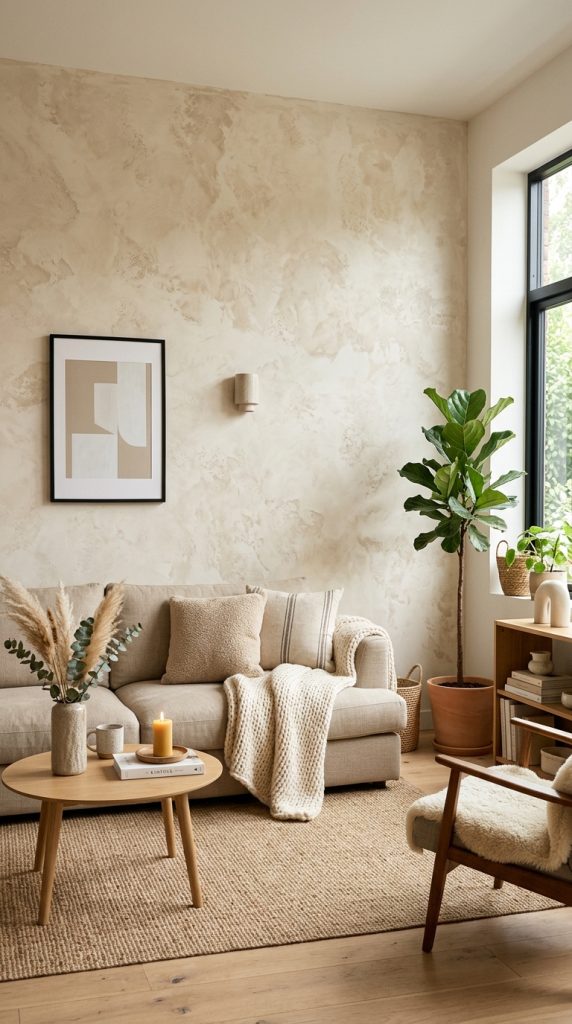
Sponge paint texture techniques create soft layered walls and surfaces filled with subtle depth and artistic movement. This method remains highly popular because it is beginner-friendly while still producing elegant Pinterest-inspired results.
The technique involves using sea sponges or foam sponges to dab layers of paint onto walls, furniture, or canvases. Different shades blend together naturally, creating organic texture and cloudy movement across the surface.
Warm neutrals such as beige, gray, olive green, cream, and dusty blue are commonly used because they create calm sophisticated aesthetics. Matte paint finishes enhance the textured appearance beautifully.
Pinterest-inspired sponge textures work especially well in bedrooms, living rooms, and creative spaces where softness and visual depth are important. The layered finish creates warmth while helping walls feel less flat and plain.
One reason sponge textures remain popular is because they create subtle artistic movement without overwhelming the room. The soft layered appearance works beautifully with natural lighting and cozy decor.
Sponge paint textures create timeless Pinterest-worthy interiors filled with softness, warmth, and elegant visual dimension.
5. Clay Impression Texture Art
Clay impression texture art captures natural textures and organic patterns through sculptural impressions pressed into clay or plaster surfaces. This project has become highly popular in Pinterest-inspired interiors because it feels artistic, earthy, and deeply connected to nature.
Leaves, flowers, fabric, lace, carved tools, or handmade stamps are pressed into clay to create dimensional impressions and layered detail. The resulting patterns create soft shadows and natural movement across the artwork.
Earthy tones such as clay brown, ivory, sand, olive, and warm white are especially popular because they enhance the organic appearance naturally. Some creators leave the clay raw while others lightly paint or seal the surface.
Pinterest-inspired clay impression art works beautifully in modern organic, rustic, boho, and Japandi interiors where natural materials are valued. Pairing the artwork with ceramics, wood, and linen fabrics creates balanced cohesive styling.
One reason clay impression textures are so admired is because they preserve natural forms and handmade craftsmanship beautifully. The imperfect details create authenticity and emotional warmth.
Clay impression texture art creates calming Pinterest-worthy spaces filled with organic texture, sculptural detail, and timeless earthy beauty.

6. Layered Wood Texture Panels
Layered wood texture panels create architectural depth and modern sophistication through overlapping wood surfaces and dimensional arrangements. This texture idea is especially popular in luxury contemporary and modern organic interiors because it adds warmth and structure simultaneously.
Different wood pieces are layered vertically, horizontally, or geometrically to create visual rhythm and movement. Natural oak, walnut, ash, and reclaimed wood finishes are commonly used because they highlight grain patterns beautifully.
Pinterest-inspired wood texture panels often appear as accent walls, wall art, furniture fronts, or decorative room dividers. Warm lighting dramatically enhances the layered shadows and textures throughout the day.
One reason layered wood textures are so admired is because they transform simple walls and surfaces into architectural focal points. The natural grain patterns create organic movement while the layered design adds modern sophistication.
This style works especially well in living rooms, offices, dining spaces, and bedrooms where warmth and statement texture are desired.
Layered wood texture panels create elegant Pinterest-inspired interiors filled with depth, warmth, and timeless natural beauty.

7. Sand Texture Painting
Sand texture painting creates earthy tactile surfaces inspired by natural landscapes and mineral textures. Fine sand mixed with paint or plaster creates subtle grainy finishes that add warmth and visual softness to walls and artwork.
This technique is commonly used for abstract landscape art, textured walls, decorative furniture, and minimalist canvases. Beige, clay, terracotta, taupe, and ivory shades work especially beautifully because they create relaxing organic atmospheres.
Pinterest-inspired sand texture decor pairs wonderfully with ceramic vases, linen fabrics, wood furniture, candles, and indoor plants. The earthy grain texture instantly adds cozy natural character to interiors.
One reason sand textures remain so popular is because they create subtle movement and dimension without appearing overly dramatic. The rough surface catches light beautifully and creates gentle visual variation throughout the day.
Sand texture painting creates modern Pinterest-worthy interiors filled with warmth, softness, and organic artistic beauty.

8. Fabric Layer Texture Art
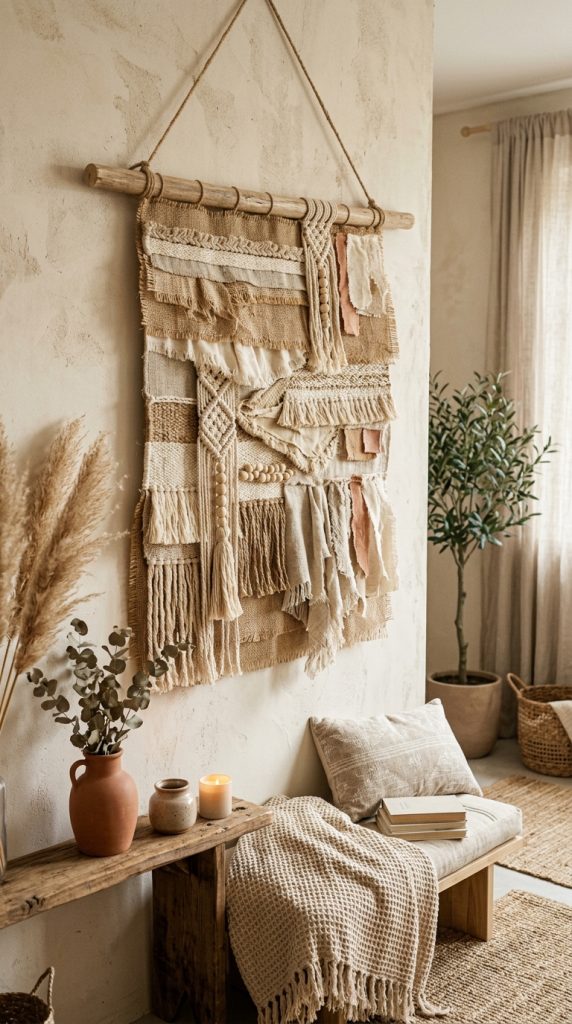
Fabric layer texture art combines textiles and mixed materials to create soft dimensional artwork filled with warmth and tactile detail. Linen, burlap, cotton, lace, and textured fabrics are layered together to create movement and artistic composition.
Neutral fabric tones such as cream, beige, ivory, taupe, and soft gray are especially popular because they maintain elegant minimal aesthetics while allowing the texture itself to stand out naturally.
Pinterest-inspired fabric texture art works beautifully in bedrooms, living rooms, nurseries, and boho interiors where softness and comfort are important. Layered textiles create cozy visual warmth and artistic depth.
One reason fabric textures are so admired is because they add emotional softness that painted surfaces often lack. The folds, wrinkles, and layered fibers create organic movement and tactile richness.
Fabric layer texture art creates warm Pinterest-worthy interiors filled with softness, creativity, and handcrafted elegance.
9. Comb Texture Wall Technique
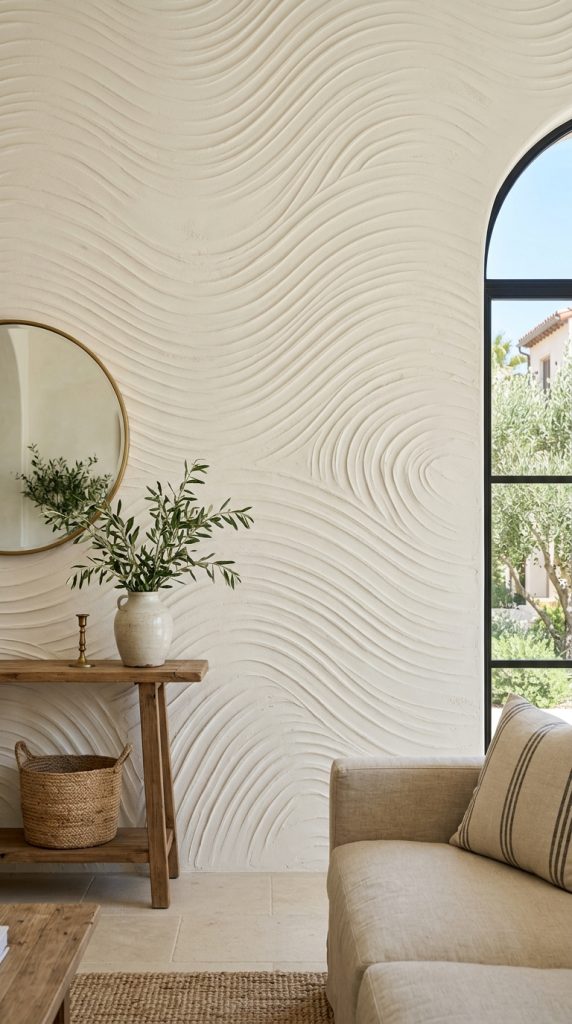
Comb texture wall techniques create repeating linear patterns and sculptural movement using decorative comb tools dragged through wet plaster or paint. This method creates rhythmic texture that instantly adds architectural interest to walls.
Different comb tools create wave patterns, straight lines, curved movements, or layered grooves depending on the desired aesthetic. Neutral matte finishes such as beige, cream, clay, and gray help emphasize the texture naturally through shadow and light.
Pinterest-inspired comb textures work beautifully in modern, Mediterranean, and contemporary interiors where subtle statement walls are desired. The repeating patterns create movement without overwhelming the room visually.
One reason comb textures remain popular is because they create designer-inspired walls using relatively simple techniques. The dimensional grooves create dynamic shadows throughout the day depending on lighting conditions.
Comb texture walls create stylish Pinterest-worthy interiors filled with rhythm, movement, and modern sculptural beauty.
10. Textured Ceramic Decor Finish
Textured ceramic decor finishes create handcrafted pottery-inspired surfaces filled with organic movement and artistic detail. This texture style is especially popular in modern organic and Japandi interiors because it feels natural, calming, and timeless.
Ceramic-inspired textures are often created using thick paint, plaster, or clay layered onto vases, bowls, planters, and decorative accessories. Uneven matte finishes and rough surfaces help mimic authentic handmade pottery.
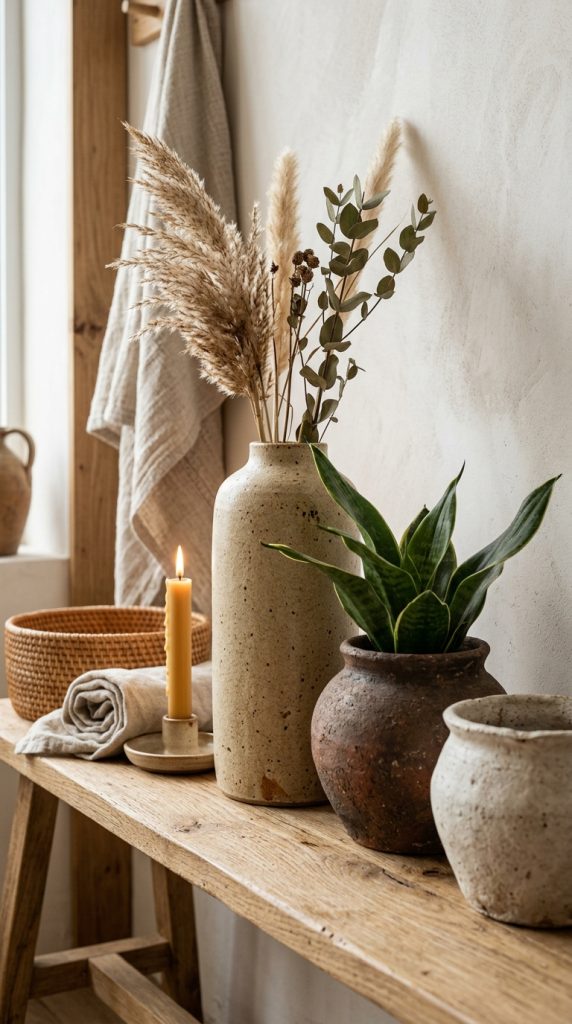
Pinterest-inspired ceramic textures pair beautifully with wood furniture, linen fabrics, candles, dried flowers, and neutral palettes. The soft tactile surfaces create warmth and visual richness without needing excessive decoration.
One reason textured ceramic finishes are so admired is because they celebrate imperfections and handmade beauty. The rough matte surfaces feel artistic and emotionally comforting.
Textured ceramic decor creates elegant Pinterest-worthy interiors filled with natural softness, warmth, and timeless artisan-inspired charm.
Final Thoughts
Texture remains one of the most important elements in modern design because it transforms ordinary surfaces into visually rich and emotionally warm experiences. Whether using plaster, stone spray paint, rope, clay, sand, wood, fabric, or ceramic finishes, textured designs instantly add depth, softness, and personality to interiors and creative projects.
Pinterest-inspired textures focus heavily on natural materials, earthy color palettes, matte finishes, and handcrafted imperfections that create calm and inviting atmospheres. The layered surfaces interact beautifully with lighting and help spaces feel more sophisticated and balanced without relying on excessive decoration.
One of the greatest strengths of texture is its versatility. Different techniques can adapt beautifully to boho, Scandinavian, Japandi, rustic, industrial, modern organic, and luxury contemporary interiors while still maintaining timeless appeal.