10 Fairy Tales Arts And Crafts Ideas
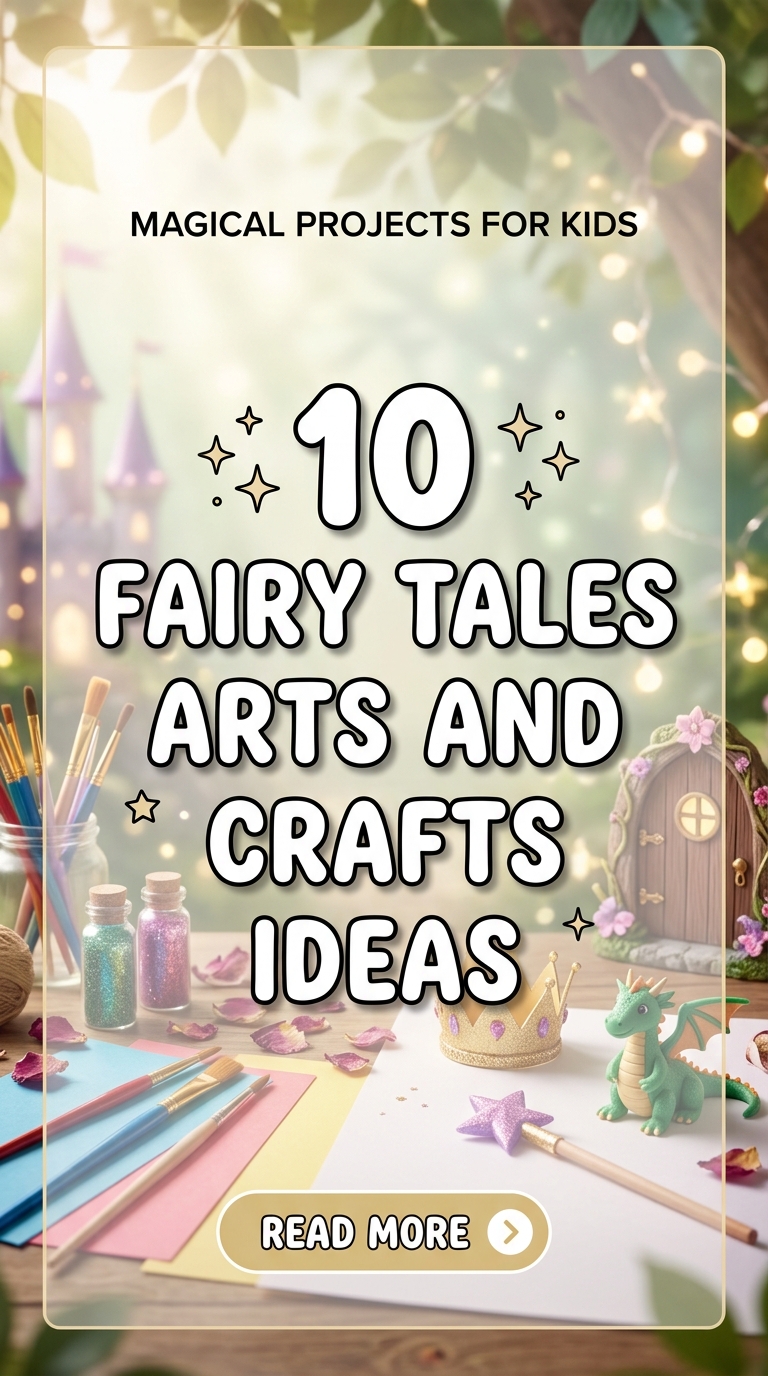
Fairy tales arts and crafts projects combine creativity, storytelling, and handmade decoration into fun and imaginative activities suitable for children, classrooms, family projects, and seasonal DIY inspiration. These Pinterest ideas continue to trend because they encourage creative learning while transforming classic fairy tale themes into colorful and interactive crafts. Fairy tale crafts often include castles, magical forests, crowns, dragons, storybook characters, and whimsical decorations made from simple materials such as paper, cardboard, fabric, paint, and recycled supplies. These projects are useful because they support imagination, storytelling skills, fine motor development, and creative problem solving while remaining beginner friendly and accessible for different age groups. Fairy tale crafts also work well for classrooms, birthday parties, reading corners, and home activity spaces because they combine entertainment with hands-on learning. This article explains ten practical and realistic fairy tale arts and crafts ideas using step by step planning, organized materials, and creative design inspiration suitable for beginners and experienced crafters alike.
Why This Idea Is Trending or Useful
Fairy tale arts and crafts remain popular because people continue to enjoy creative projects connected to storytelling, imagination, and handmade decoration. Pinterest inspiration often highlights fantasy-themed crafts because they create visually engaging activities that feel playful while still supporting educational and artistic development. These projects are useful because they encourage children and adults to explore creativity using simple DIY techniques and affordable materials. Fairy tale crafts also support themed classrooms, party decorations, reading activities, and seasonal events while helping develop organization and problem-solving skills. Another reason these ideas continue trending is accessibility. Many projects can be completed using recycled household items, paper supplies, paint, and natural materials without requiring advanced crafting experience. Fairy tale themes are also flexible because they can include castles, magical creatures, enchanted forests, royal decorations, and fantasy-inspired storytelling scenes. The combination of creativity, learning, and aesthetic presentation makes fairy tale crafts highly appealing for modern Pinterest-style DIY inspiration.
Materials and Preparation
Careful preparation helps fairy tale arts and crafts projects remain organized, enjoyable, and visually successful. Begin by selecting a specific fairy tale theme such as castles, magical forests, princess stories, dragons, or enchanted creatures. Common materials include colored paper, cardboard, glue, scissors, paint, fabric scraps, ribbons, markers, wooden craft sticks, glitter alternatives, and recycled containers. Organizing materials into labeled trays or baskets before starting the project helps improve workflow and reduces clutter during crafting sessions. Protective table covers and aprons are also useful because painting and gluing activities can become messy. Measuring and sketching larger craft designs before cutting materials improves accuracy and helps maintain visual balance throughout the project. Soft pastel colors, metallic accents, and natural textures often support fairy tale aesthetics while creating a more magical atmosphere. Practical preparation and organized materials help both children and adults complete beginner friendly fairy tale crafts successfully while maintaining safety and creative flexibility.
Idea 1: Cardboard Castle Craft
How to Create
A cardboard castle craft creates a classic fairy tale centerpiece using simple DIY materials and beginner friendly construction methods. Begin by collecting clean cardboard boxes in different sizes to form towers, walls, and castle gates. Cut windows, doors, and battlements carefully using child-safe scissors or crafting tools depending on the age group involved. Paint the castle using soft gray, beige, or pastel colors to create a storybook-inspired appearance. Small paper flags, ribbon banners, or hand-drawn stone textures can improve the decorative details without making the structure difficult to build. Glue the sections securely together and allow enough drying time before adding final decorations. Craft sticks or rolled paper tubes can strengthen taller towers while improving durability. This project works especially well for classrooms, reading corners, or imaginative play areas because it encourages storytelling and creative interaction. Organized layouts and balanced decoration choices help maintain a visually appealing fairy tale design while keeping the project manageable for beginners.
Idea 2: Fairy Wand Decoration Craft
Step-by-Step Guide
A fairy wand craft creates a playful and decorative project inspired by magical fairy tale stories and fantasy themes. Begin with wooden craft sticks, paper straws, or recycled dowels as the base of the wand structure. Cut star or moon shapes from cardboard, glitter-free metallic paper, or felt fabric to create the decorative top section. Attach ribbons, fabric strips, or soft yarn beneath the star to add movement and visual texture. Paint the wand using pastel shades, metallic colors, or soft neutral tones depending on the chosen fairy tale theme. Small gems made from paper cutouts or recycled decorative materials can improve the magical appearance while maintaining child-friendly safety. This craft works especially well for birthday parties, storytelling activities, or imaginative classroom projects because it encourages creativity and role-play. Organized materials and simple step by step instructions help beginners complete the project successfully while creating visually colorful and handmade fairy tale decorations.
Idea 3: Enchanted Forest Diorama
Setup Method
An enchanted forest diorama creates a miniature fairy tale scene using layered natural textures and handmade decorative elements. Begin with a shoebox or shallow cardboard tray as the base of the project. Cover the interior with painted forest backgrounds, green paper, or textured fabric to create the appearance of trees and grassy landscapes. Add miniature paper trees, small pathways, and handmade mushrooms using clay, cardboard, or recycled materials. Soft LED lights or reflective paper accents can improve the magical atmosphere while maintaining safety. Natural textures such as moss, twigs, or leaves collected outdoors can strengthen the realistic woodland appearance. This project works especially well for storytelling activities because it encourages imagination and scene-building skills. Organized layering and careful placement of decorative details help create visual depth within the small space. Balanced colors and thoughtful arrangement prevent the diorama from feeling cluttered while maintaining the cozy and magical fairy tale atmosphere.
Idea 4: Princess Crown Headband
Execution Process
A princess crown headband combines wearable craft design with fairy tale-inspired decoration suitable for parties, classroom activities, and imaginative play. Begin with a plain headband or flexible cardboard strip measured carefully to fit comfortably around the head. Cut crown shapes from glitter-free metallic paper, felt, or cardboard and attach them securely to the base. Add ribbon details, fabric flowers, or paper gemstones to create decorative texture without making the craft too heavy. Soft pastel shades, gold accents, and symmetrical designs often work especially well for fairy tale themes. Glue the decorations carefully and allow enough drying time before wearing the finished crown. This craft is beginner friendly because it requires simple materials and straightforward construction methods suitable for children and adults alike. Organized decoration placement and balanced color combinations help create a polished and visually appealing result while keeping the project manageable and safe for group crafting activities.
Idea 5: Dragon Puppet Craft
How to Make
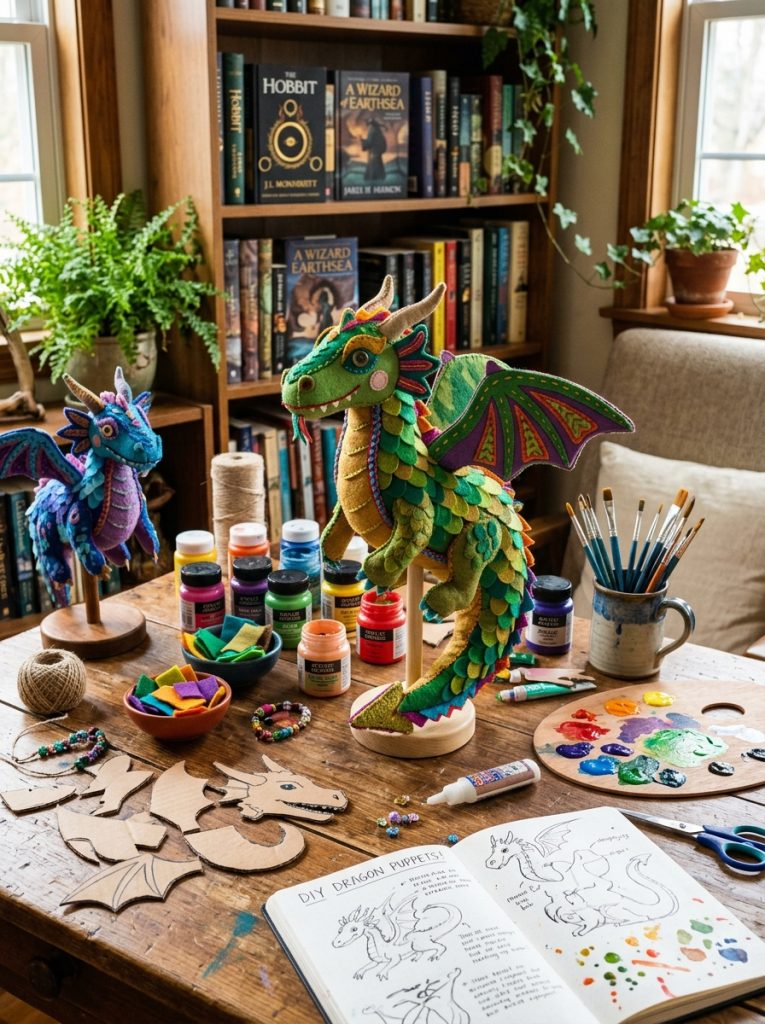
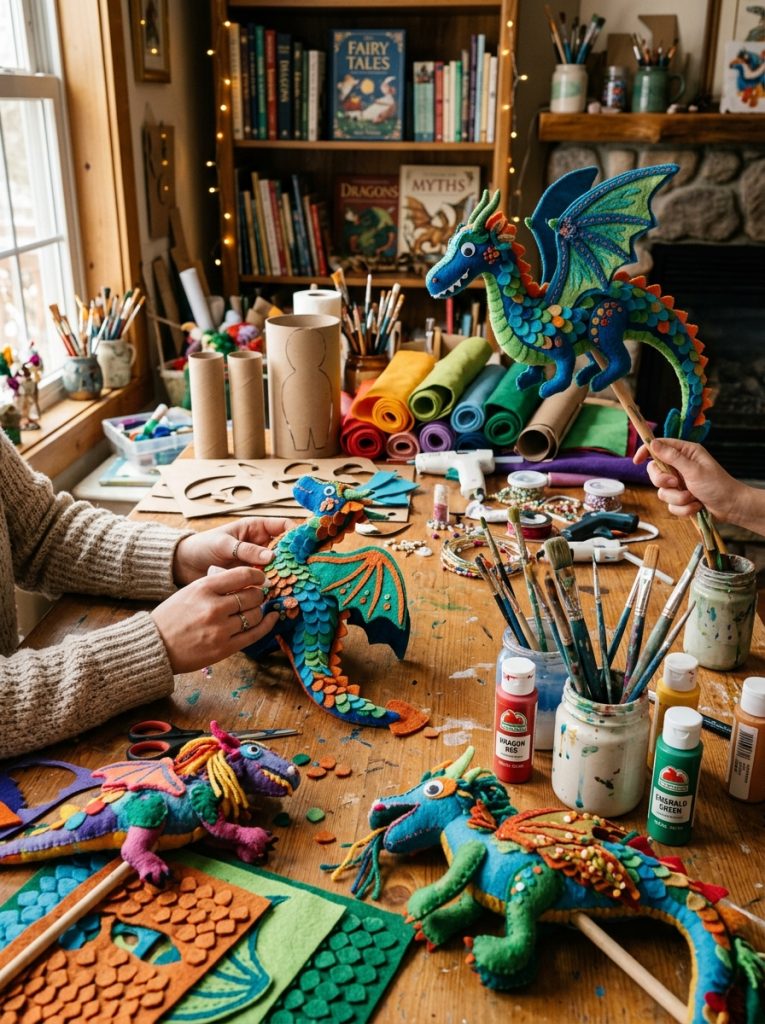
A dragon puppet craft creates an interactive fairy tale activity that combines storytelling with hands-on creativity. Begin by using paper bags, cardboard tubes, or socks as the base structure for the puppet. Cut dragon features such as wings, scales, horns, and tails from colored paper or felt fabric and attach them securely using glue. Paint or color the puppet using bold shades such as green, red, blue, or purple depending on the chosen fantasy theme. Add moving paper tongues or layered wings to create a more dynamic and playful design. Googly eyes or hand-drawn facial details can improve the character appearance while encouraging creative expression. This craft works especially well for storytelling sessions, classroom theater activities, or imaginative home projects because it promotes creativity and communication skills. Organized material preparation and simple assembly steps help beginners complete the puppet successfully while creating a durable and entertaining fairy tale character.
Idea 6: Fairy Tale Storybook Lantern
How to Create
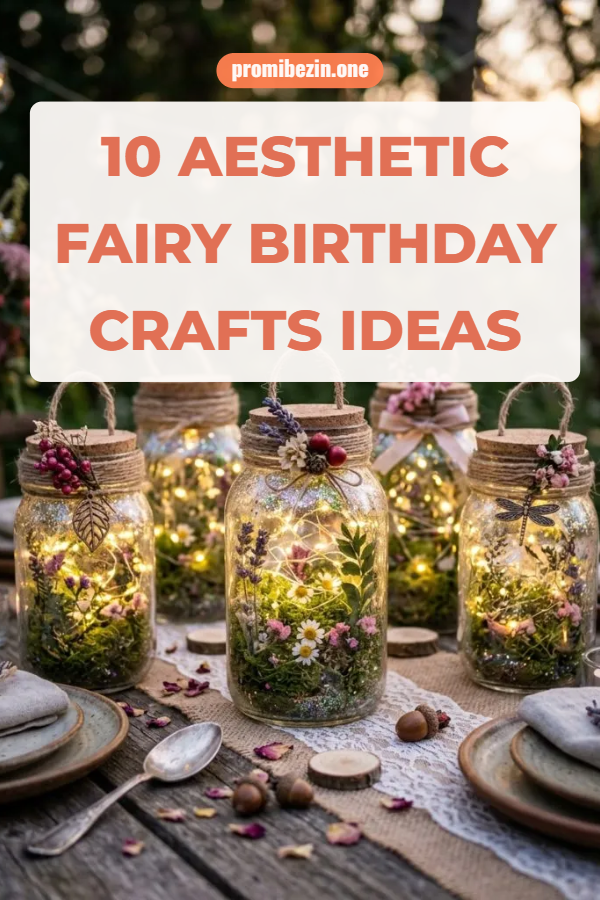
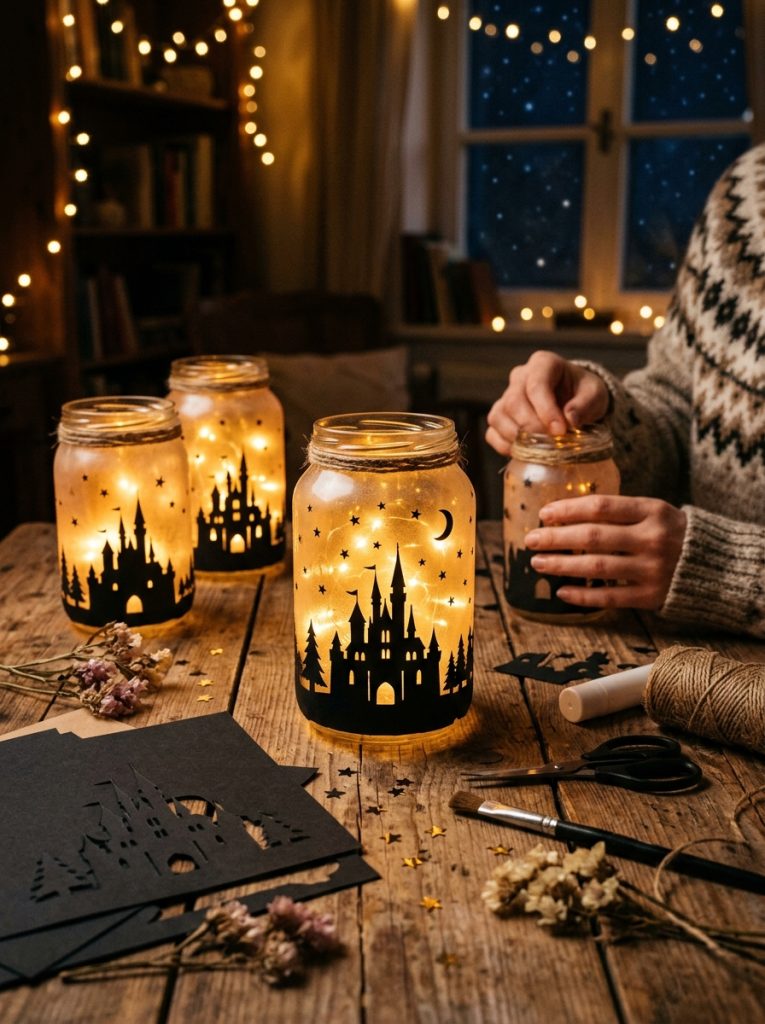
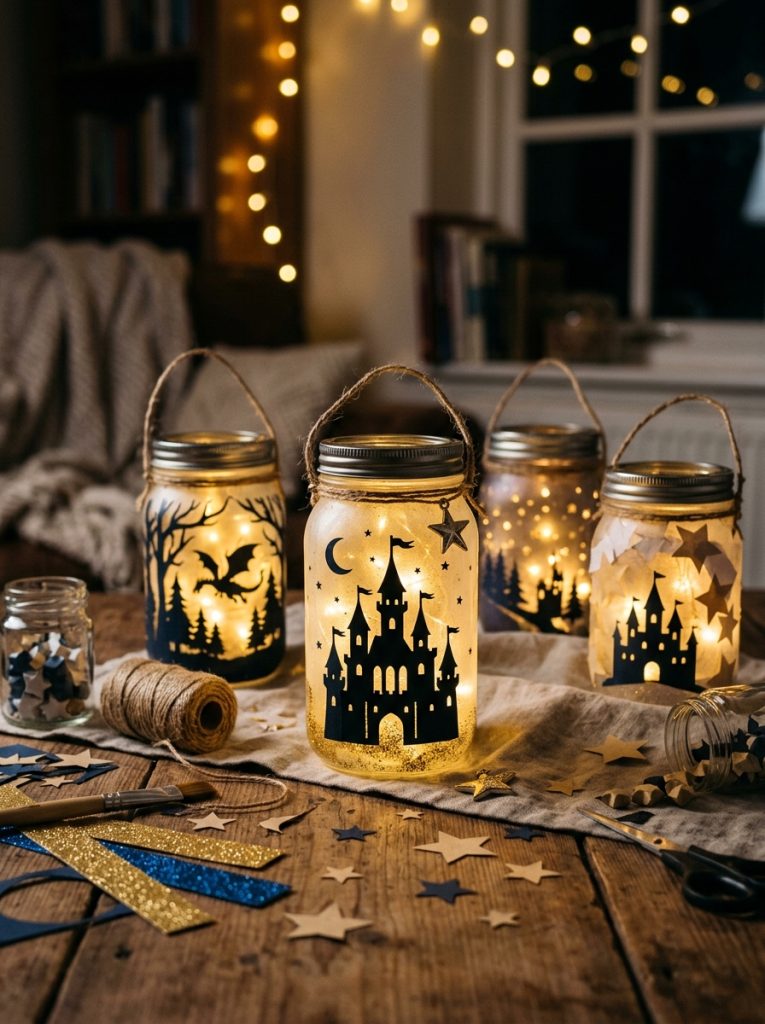
A fairy tale lantern craft creates a decorative lighting project inspired by magical castles, forests, and storybook scenes. Begin with a recycled jar, paper lantern frame, or transparent container cleaned carefully before decorating. Wrap the surface with tracing paper, tissue paper, or lightweight fabric featuring hand-drawn fairy tale silhouettes such as castles, stars, trees, or dragons. Battery-powered LED lights placed inside the lantern create a glowing effect that highlights the artwork safely. Ribbons, paper flowers, or twine can improve the exterior decoration while maintaining a soft and magical appearance. Neutral colors combined with metallic accents often create the strongest fairy tale atmosphere without making the design visually overwhelming. This project works especially well for bedrooms, classrooms, or seasonal decorations because it combines practical lighting with aesthetic handmade decor. Balanced decoration and organized layering help maintain a clean and visually cohesive lantern design suitable for beginners.
Idea 7: Magic Mirror Wall Art
Step-by-Step Guide
A magic mirror craft creates a decorative fairy tale-inspired wall piece using simple materials and beginner friendly techniques. Begin by cutting a mirror shape from cardboard or foam board and covering the frame with metallic paint or decorative paper. Add scroll patterns, floral details, or gemstone cutouts around the border to create a storybook-inspired appearance. Reflective foil paper or mirrored contact material can create the illusion of a real mirror while remaining lightweight and safe for children. Soft pastel colors, silver tones, or gold accents help strengthen the fantasy atmosphere without making the decoration too complex. This project works especially well for bedroom decor, classroom displays, or themed party decorations because it combines creative crafting with fairy tale storytelling inspiration. Organized decorative placement and balanced color coordination help create a visually polished design while keeping the project accessible and manageable for beginners.
Idea 8: Fairy House Garden Craft
Setup Method
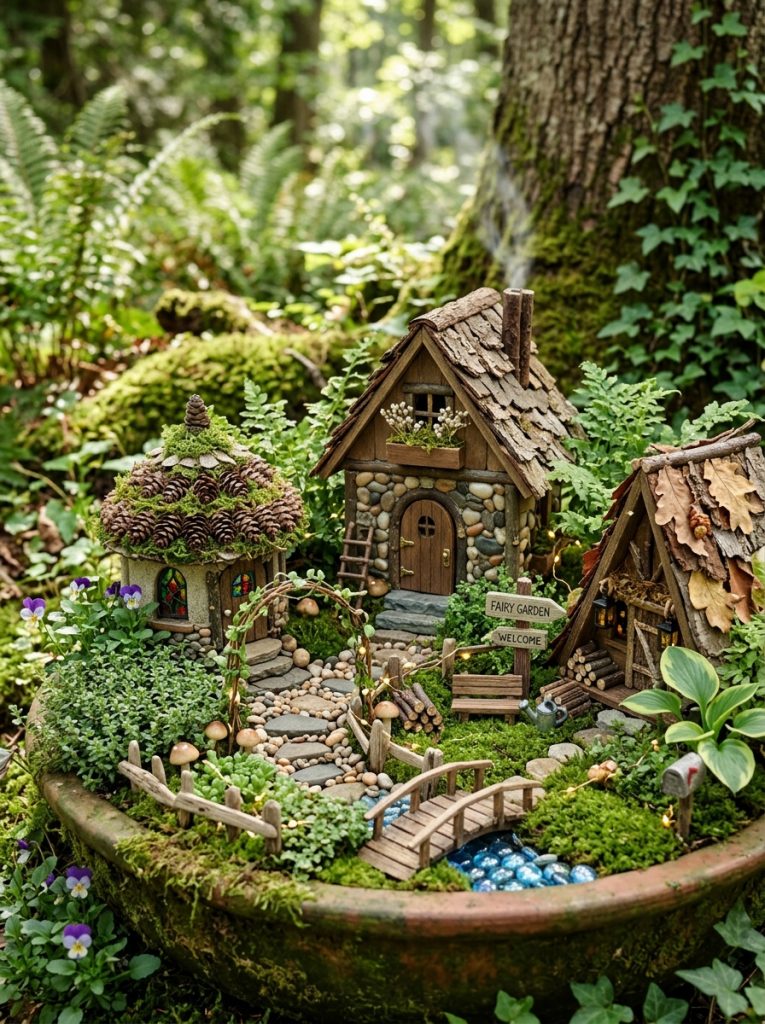
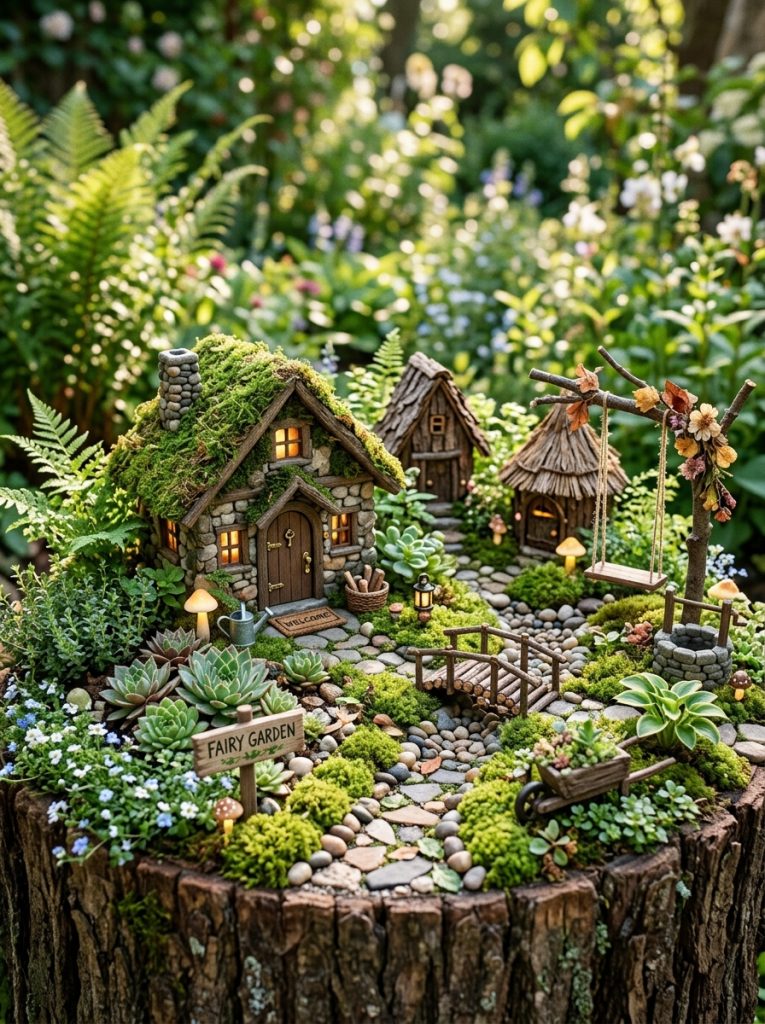
A fairy house garden craft creates a whimsical outdoor or indoor decoration inspired by magical forest stories and miniature fantasy worlds. Begin by using a small container, flower pot, or wooden tray as the base of the fairy garden scene. Add moss, pebbles, twigs, and miniature pathways to create a natural landscape. Construct tiny fairy houses using cardboard, craft sticks, or recycled containers decorated with painted windows and textured roofs. Small artificial plants or natural greenery can improve the realistic forest appearance while supporting the fairy tale atmosphere. Soft lighting or reflective stones can add magical detail without overwhelming the design visually. This project works especially well for children and families because it encourages imaginative storytelling and hands-on creativity. Organized placement of pathways, houses, and decorative elements helps create a balanced miniature environment while maintaining practical simplicity for beginner level crafting projects.
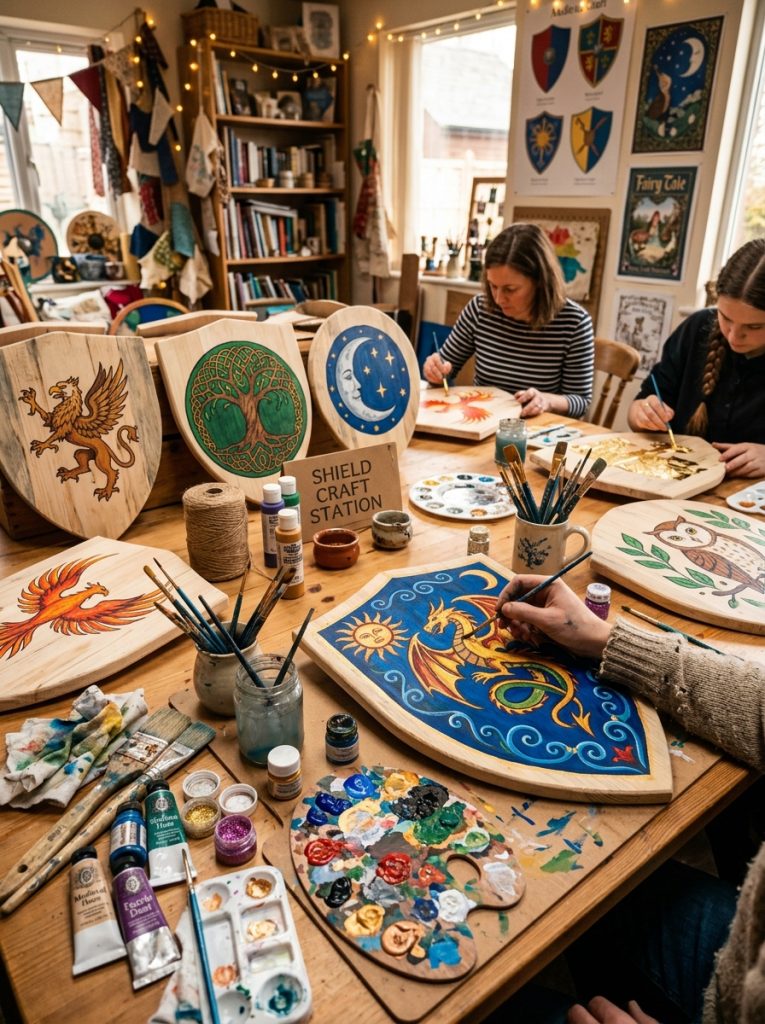
Idea 9: Knight Shield Painting Craft
How to Make
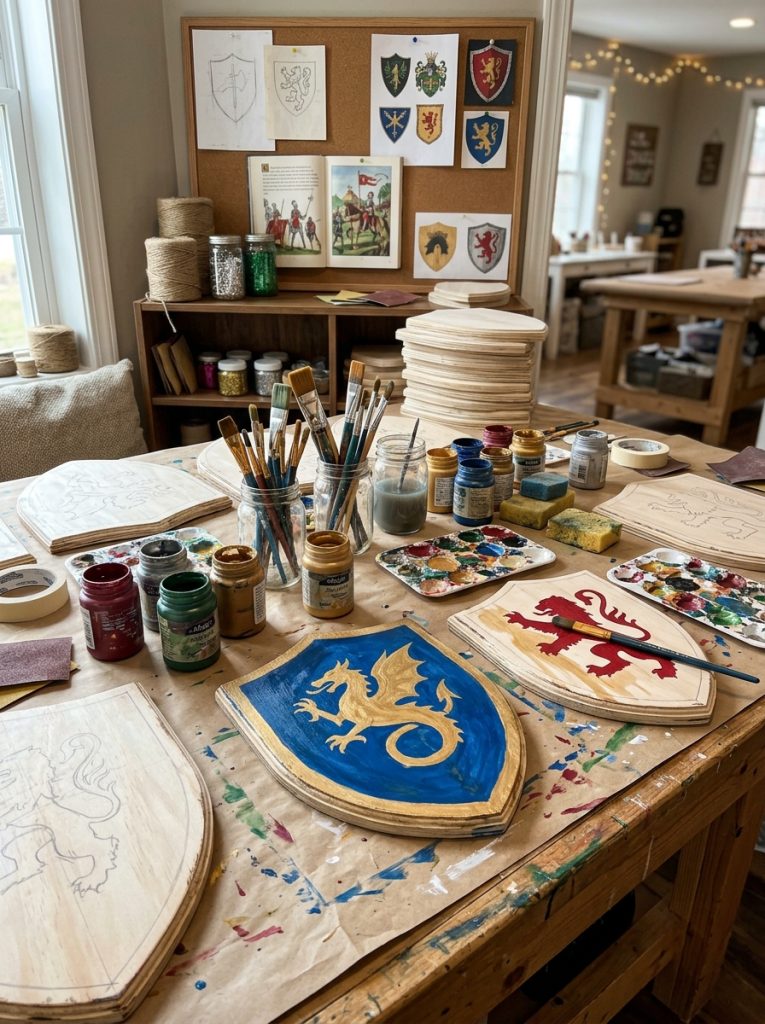
A knight shield painting craft creates a medieval fairy tale activity that combines art, role-play, and decorative design. Begin by cutting shield shapes from cardboard or foam board large enough for children to hold comfortably. Paint the shields using classic medieval colors such as silver, blue, red, gold, or green depending on the chosen fairy tale theme. Add painted symbols such as crowns, dragons, stars, or castles to personalize each design. Soft foam handles or fabric straps attached to the back improve comfort and functionality during imaginative play activities. This project works especially well for classroom themes, birthday parties, or storytelling games because it encourages creativity and active participation. Organized paint stations and prepared templates help simplify the crafting process for beginners. Balanced decoration and clear color coordination help create visually strong shield designs while keeping the project manageable, safe, and enjoyable for group crafting sessions.
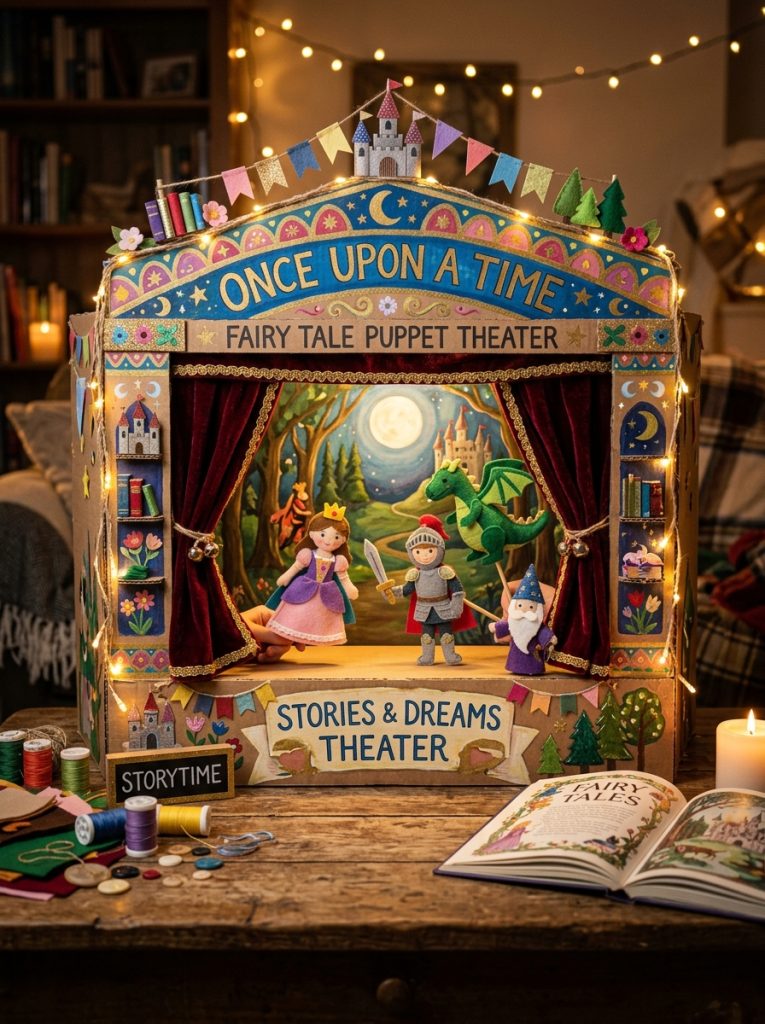
Idea 10: Fairy Tale Puppet Theater
Execution Process
A fairy tale puppet theater creates an interactive storytelling space designed for imaginative performances and creative group activities. Begin by constructing a simple theater frame using cardboard boxes, fabric curtains, or lightweight wooden panels. Paint the exterior using bright colors, castle-inspired patterns, or storybook decorations to create a magical appearance. Add fabric curtains, decorative banners, or painted stars to improve the stage presentation while maintaining child-friendly safety. Hand puppets, stick puppets, or paper characters can be used inside the theater for storytelling activities. Soft lighting positioned safely around the stage improves visibility and creates a cozy performance atmosphere. This project works especially well for classrooms, libraries, or family activity spaces because it combines crafting with communication and storytelling skills. Organized construction and balanced decorative details help create a visually engaging puppet theater while keeping the project realistic and manageable for beginner level crafting.
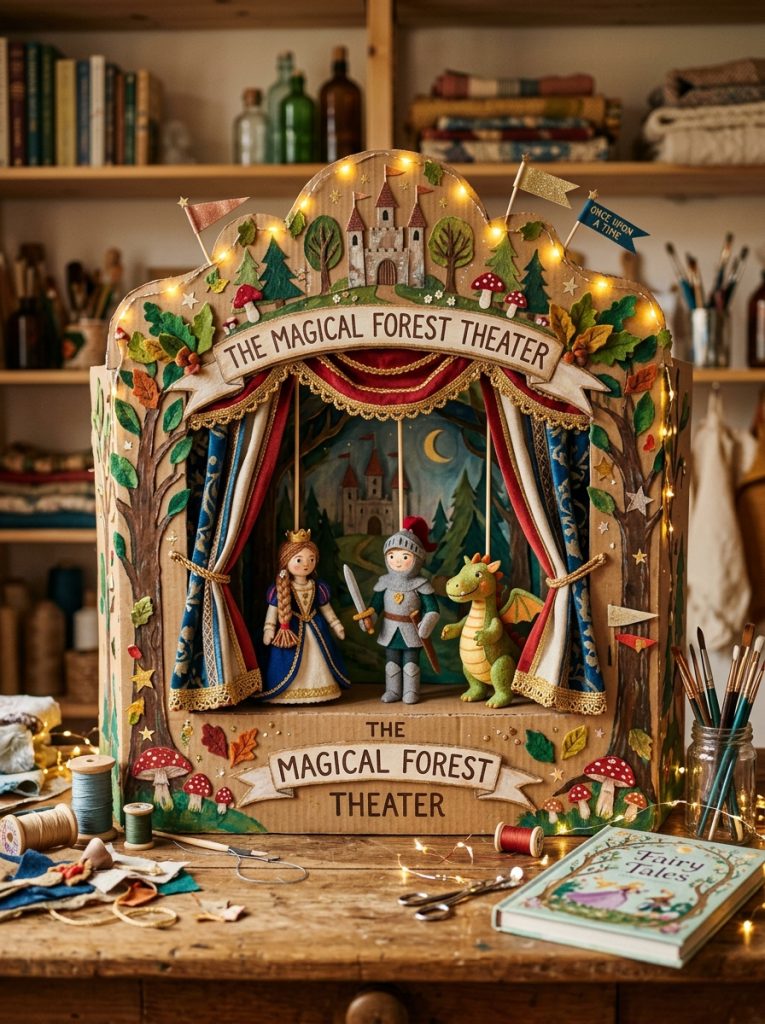
Common Beginner Mistakes and How to Avoid Them
One common beginner mistake is using too many decorative materials at once, which can make fairy tale crafts feel cluttered and difficult to organize. Simple layouts and balanced color choices usually create stronger visual results. Another issue involves poor material preparation before starting the project. Organizing scissors, glue, paper, and paint in advance helps improve workflow and reduces interruptions during crafting sessions. Many beginners also choose overly complicated designs that require advanced construction techniques. Selecting beginner friendly ideas with simple shapes and manageable steps creates more successful outcomes. Weak glue or unstable materials may also reduce the durability of finished crafts. Using thicker cardboard or reinforced structures helps improve stability. Poor drying time management is another frequent issue because rushed painting or gluing may damage decorations. Careful planning, organized workspaces, and practical material choices help fairy tale arts and crafts projects remain enjoyable, functional, and visually successful.
Practical Tips for Better Results
Using layered textures is one of the most effective ways to improve fairy tale crafts and create stronger visual depth. Materials such as felt, fabric scraps, cardboard, moss, and woven ribbons help projects feel more realistic and engaging without requiring expensive supplies. Soft pastel shades, metallic accents, and natural colors often work especially well because they support magical and storybook-inspired themes. Beginners should also focus on practical layouts before adding decorative details to maintain organization throughout the project. Battery-powered lighting can improve atmosphere safely while avoiding complicated electrical setups. Recycled materials such as jars, boxes, and paper tubes are useful for reducing costs while supporting creative DIY methods. Organized workspaces with labeled materials also improve efficiency during group crafting activities. Balanced decoration, careful color coordination, and realistic planning help create fairy tale crafts that remain visually appealing, beginner friendly, and suitable for classrooms, parties, or home projects.
Styling, Presentation, or Organization Ideas
Fairy tale arts and crafts become more visually successful when displayed thoughtfully within the surrounding room or activity space. Coordinating colors, textures, and decorative details between projects creates stronger visual consistency and improves overall presentation. Display shelves, themed tables, or wall-mounted decorations can help organize finished crafts while maintaining a clean and inviting atmosphere. Fairy lights, fabric backdrops, or soft lighting arrangements improve the magical appearance of fairy tale projects without overwhelming the space visually. Natural materials such as wood, greenery, and woven baskets pair especially well with fairy tale themes because they strengthen the storybook-inspired atmosphere. Labeling materials and organizing supplies into containers also improves workflow during crafting sessions. Seasonal decorations such as autumn leaves or winter-themed accents can refresh displays throughout the year. Balanced presentation and organized layouts help transform fairy tale crafts into cohesive decorative features suitable for classrooms, reading corners, bedrooms, or party spaces.
Budget or Time Planning
Fairy tale arts and crafts projects can be completed successfully using affordable DIY materials and simple beginner friendly techniques. Many projects require only paper, cardboard, glue, paint, and recycled containers to create visually engaging designs without high expenses. Repurposing household items such as jars, fabric scraps, or shipping boxes can reduce costs significantly while supporting creative problem solving. More advanced projects involving lighting systems, miniature details, or layered structures may require additional planning and crafting time. Organizing projects into smaller stages helps improve efficiency and keeps activities manageable for children and beginners. Start with basic structures and painting first, then gradually add decorative details and textures after drying. Preparing all materials before starting also reduces interruptions and improves workflow. Careful budgeting and realistic time planning help fairy tale crafts remain enjoyable, practical, and accessible while encouraging creativity and hands-on learning for different age groups.
Creative Expansion and Advanced Inspiration
After creating basic fairy tale arts and crafts projects, many people expand the ideas into larger storytelling scenes and themed decorations. Additional creative inspiration may include miniature villages, interactive storybooks, castle play sets, themed reading corners, or seasonal fantasy displays. Some projects also incorporate natural materials, layered lighting, and handmade textiles to create more immersive fairy tale environments. Advanced inspiration often combines modern craft organization with fantasy-inspired decoration and storytelling activities. Fairy tale themes can also connect to educational lessons about literature, art, or history while encouraging imaginative play. Seasonal updates such as winter castles, spring fairy gardens, or autumn forest scenes can refresh projects throughout the year. Vertical storage systems and organized display shelves help maintain clean crafting spaces while showcasing completed designs effectively. Expanding gradually from simple beginner friendly crafts into larger themed environments allows creativity to grow naturally while maintaining practical organization and aesthetic presentation.